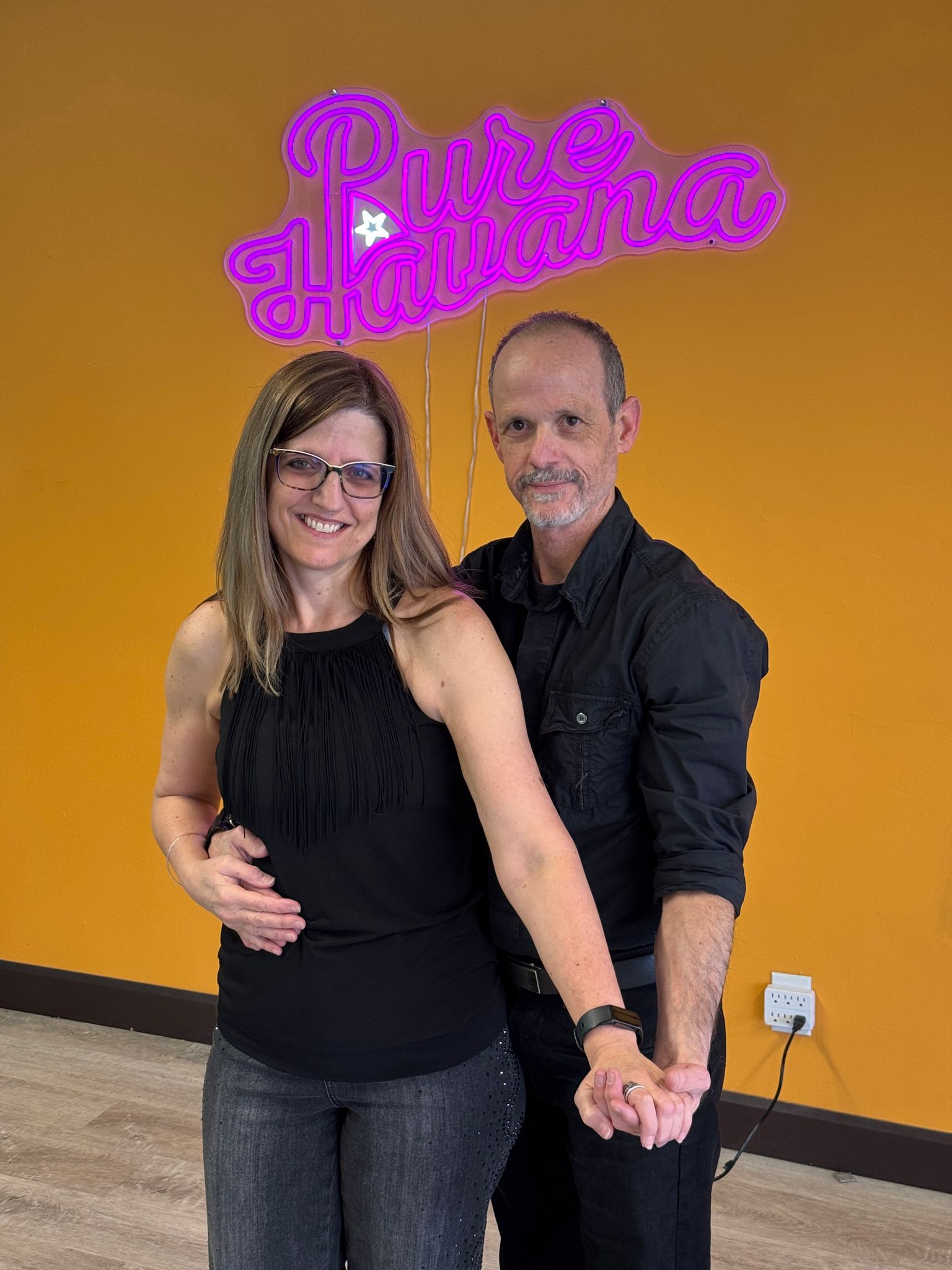

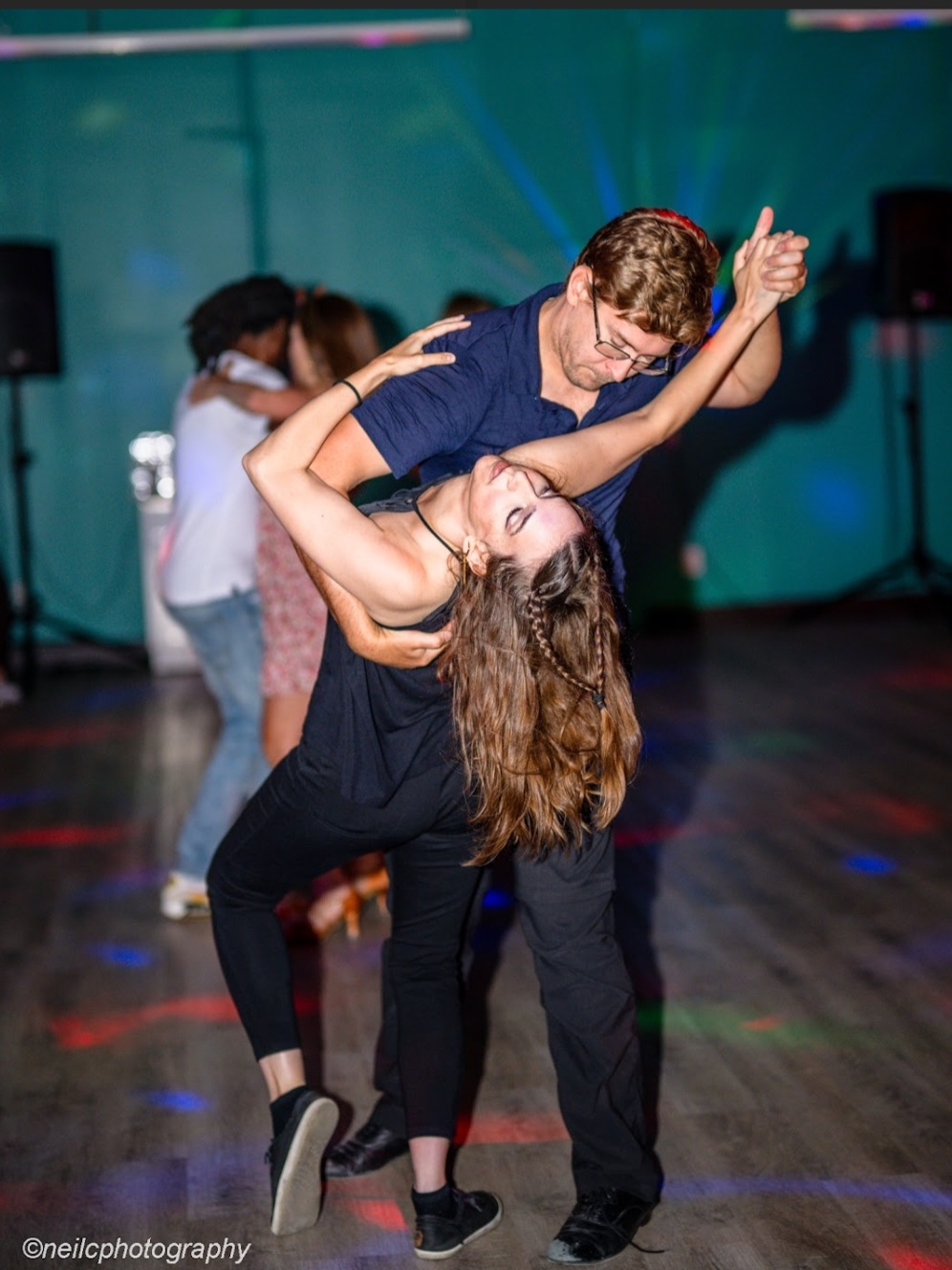
Over the past several years, I’ve had the privilege of watching something truly special unfold across Ottawa, Gatineau, and Hull QC. What began as a relatively small and quiet dance scene has grown into a vibrant, interconnected Latin dance culture that continues to expand every year. Salsa and bachata are no longer niche interests here. They’ve become part of the social fabric of the region.
This growth didn’t happen overnight. It grew organically, fueled by people searching for connection, movement, expression, and community. Adults from all walks of life began stepping onto dance floors across the city, discovering that Latin dance offered something deeper than just steps and music. It offered belonging.
Today, I want to share what I’ve seen from the inside. How this culture grew, why it continues to thrive, and what makes Ottawa, Gatineau, and Hull QC such fertile ground for Latin dance.
How the Latin Dance Scene First Took Root
In the early days, Latin dance in this region existed quietly. Classes were smaller. Socials were intimate. Most dancers knew each other by name. The people who showed up were there purely because they loved the music and the movement.
As more people were introduced to salsa and bachata, something interesting happened. Those early dancers didn’t just learn steps. They invited friends. They brought coworkers. They encouraged newcomers. Slowly, the community expanded outward.
People began searching for salsa dancing in Ottawa.
Then bachata classes in Gatineau.
Then Latin dance socials near Hull QC.
Each search led someone new into the scene. And each new person added energy, diversity, and momentum.
Why Ottawa Became a Natural Home for Latin Dance
Ottawa is a city of balance. It blends professionalism with creativity, structure with openness, and tradition with diversity. That balance makes it uniquely suited for Latin dance culture.
People here work hard. They think deeply. They carry responsibility. And because of that, they crave outlets that allow them to relax, express, and connect without pressure.
Latin dance provides exactly that.
In Ottawa, salsa and bachata became:
- a stress release after long workdays
- a social outlet without small talk
- a creative expression without performance pressure
- a way to stay active while having fun
- a space where adults could reconnect with joy
As more adults experienced these benefits, participation grew naturally.
How Gatineau and Hull QC Added Emotional Depth to the Culture
While Ottawa provided structure and momentum, Gatineau and Hull QC brought emotional richness and openness into the dance culture.
From my experience, dancers in Gatineau and Hull QC tend to approach dance from the heart. There is a softness, an authenticity, and a willingness to feel the music fully. This emotional openness deeply influenced the broader regional culture.
People crossing the river to dance noticed the difference immediately.
Bachata, in particular, flourished in Gatineau and Hull QC. Its slower pace, expressive music, and close connection resonated strongly with adults looking for emotional presence rather than high-energy performance.
This balance between Ottawa’s structured energy and Gatineau’s emotional openness created a beautifully layered dance culture across the region.
Why Adults Became the Driving Force Behind the Growth
One of the most defining characteristics of the Latin dance scene here is that adults drive it.
These aren’t primarily youth programs or competitive pipelines. They are adult communities built around connection, learning, and shared experience.
Adults come to dance because they want:
- meaningful social interaction
- movement that feels joyful, not forced
- a break from screens and routine
- confidence in their bodies
- community without judgment
Because adults are intentional learners, the culture grew with depth rather than flash. People stayed. They returned week after week. They invested emotionally. And that consistency created stability.
How Salsa and Bachata Complemented Each Other Perfectly
The growth of Latin dance culture accelerated when salsa and bachata began growing side by side.
Salsa brought energy, rhythm, and playfulness.
Bachata brought emotion, softness, and connection.
Together, they created a balanced experience that appealed to a wide range of people.
Some dancers were drawn to the excitement of salsa.
Others found themselves at home in the intimacy of bachata.
Many fell in love with both.
This duality kept people engaged long-term. When someone needed energy, salsa was there. When they needed calm and connection, bachata provided it.
That balance kept the community healthy and inclusive.
How Social Dancing Fueled Community Growth
Classes introduced people to dance. Socials turned those people into a community.
Social dancing became the heartbeat of the culture across Ottawa, Gatineau, and Hull QC. These gatherings allowed dancers to apply what they learned, meet new people, and build friendships naturally.
Socials offered:
- low-pressure environments
- rotating partners
- organic conversation
- shared laughter and mistakes
- celebration of progress, not perfection
Because social dancing is inherently inclusive, beginners felt welcome. Experienced dancers felt fulfilled. Everyone felt part of something bigger.
Why the Culture Felt Safe for Beginners
One of the most important factors in the growth of Latin dance here is safety — emotional and social safety.
Newcomers quickly realized:
- they weren’t being judged
- mistakes were normal
- questions were encouraged
- progress happened at individual pace
- everyone started somewhere
This safety removed fear. And when fear disappears, growth accelerates.
Beginners didn’t feel pressured to perform. They felt invited to learn. That invitation kept people coming back.
The Role of Diversity in Strengthening the Scene
Ottawa, Gatineau, and Hull QC are culturally diverse regions. Latin dance naturally thrives in diversity because it transcends language, background, and age.
In a single class or social, you might see:
- lifelong residents
- newcomers to Canada
- French-speaking dancers
- English-speaking dancers
- people from Latin American backgrounds
- people experiencing Latin culture for the first time
Dance became the common language.
This diversity enriched the scene rather than fragmenting it. Each person brought perspective, energy, and curiosity. And the shared love of music and movement united everyone.
Why the Community Expanded Beyond Dance
As the culture grew, something interesting happened. Dance stopped being just dance.
People began forming friendships outside of classes.
They met for coffee before socials.
They supported each other through life changes.
They celebrated milestones together.
Latin dance became a social anchor — a place people returned to not just to move, but to belong.
That sense of belonging turned casual participants into long-term members of the community.
How Confidence Became a Shared Outcome
One of the most powerful byproducts of the growing Latin dance culture has been confidence.
Not just dance confidence — personal confidence.
People stood taller.
They spoke more openly.
They took social risks.
They trusted themselves more.
As individuals grew more confident, the community itself became stronger. Confident people invite others. Confident people support beginners. Confident people contribute positively.
This upward spiral fueled continued growth.
Why the Growth Has Been Sustainable
Trends rise and fall. But Latin dance in this region has continued growing steadily because it’s built on fundamentals that last.
The culture is:
- community-driven
- inclusive
- beginner-friendly
- emotionally supportive
- socially engaging
- adaptable to different learning styles
It doesn’t rely on hype. It relies on human connection.
As long as people seek connection, movement, and joy, this culture will continue to thrive.
How Ottawa, Gatineau, and Hull QC Became One Unified Scene
Although separated by geography, the dance culture across these areas functions as one ecosystem.
People cross bridges to dance.
They attend classes in one city and socials in another.
They form friendships across neighborhoods.
This cross-pollination strengthened the entire region. Instead of fragmented scenes, a unified culture emerged — diverse, dynamic, and resilient.
What the Growth Looks Like Today
Today, the Latin dance culture across Ottawa, Gatineau, and Hull QC is:
- larger than ever
- more inclusive than ever
- emotionally richer than ever
- socially connected
- welcoming to newcomers
- supportive of beginners
- deeply rooted in community
People no longer ask whether Latin dance exists here. They ask where they can join.
Why I Believe the Growth Is Just Beginning
Despite how much the culture has grown, I truly believe it’s still in an early phase.
More adults are seeking alternatives to traditional social spaces.
More people want movement that feels meaningful.
More individuals want community without pressure.
Latin dance meets all of those needs.
As awareness continues to spread, more people will discover what salsa and bachata offer — and the culture will continue expanding organically.
If You’re Curious About Joining This Growing Culture
If you live in Ottawa, Gatineau, or Hull QC and have ever been curious about salsa or bachata, here’s what I want you to know:
You don’t need experience.
You don’t need confidence beforehand.
You don’t need to be outgoing.
You just need curiosity.
This culture is built to welcome you exactly as you are — and help you grow at your own pace.
Because Latin dance here isn’t about perfection.
It’s about people.
It’s about connection.
It’s about community.
And that’s why it continues to grow.