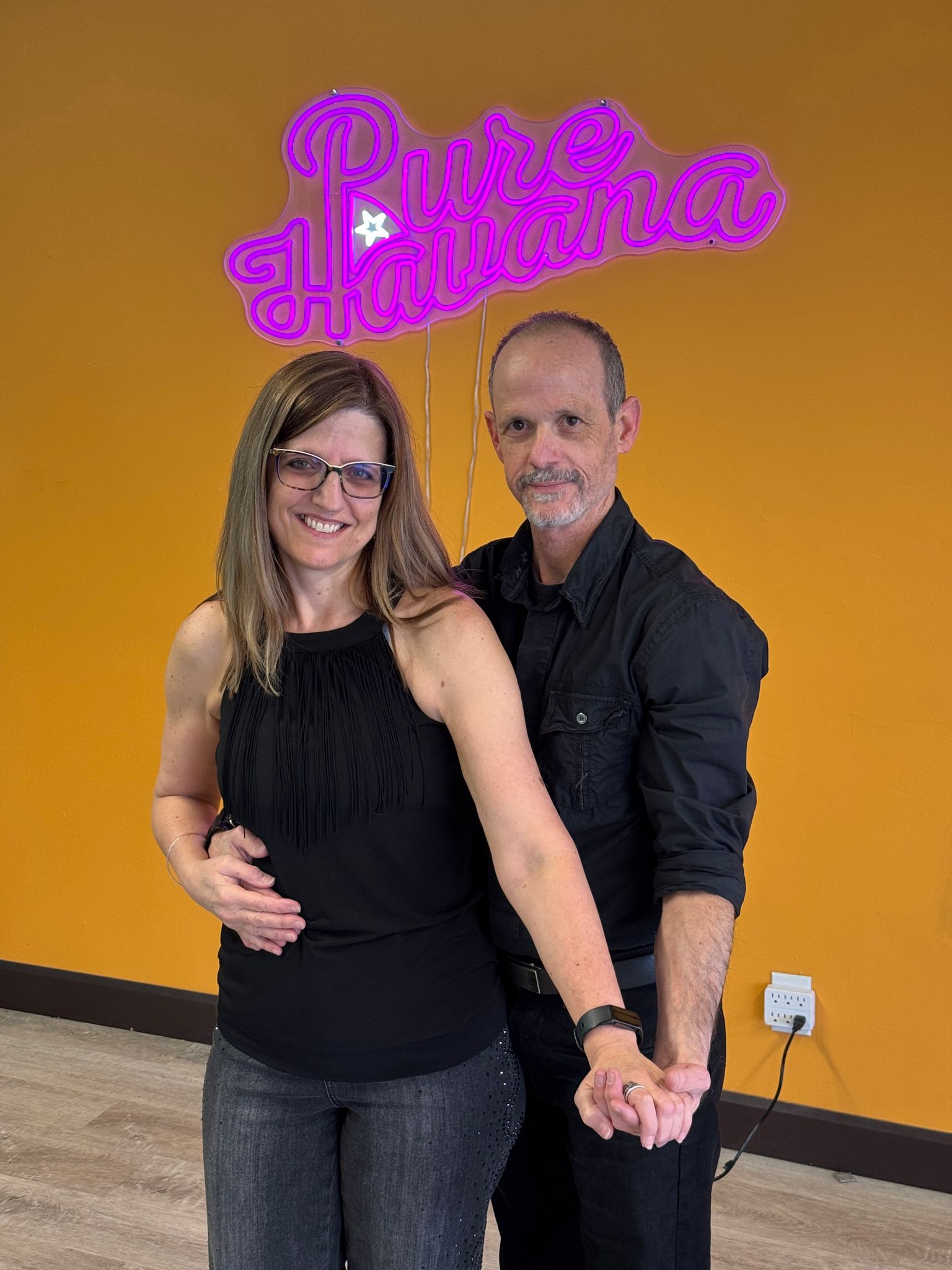

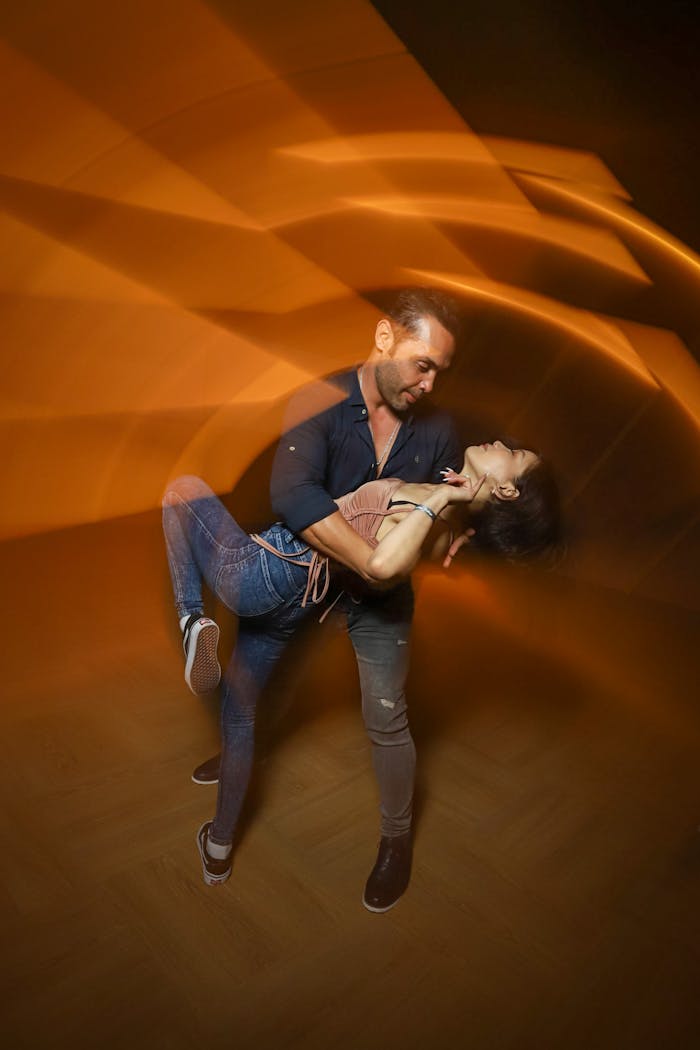
Teaching salsa dancing in Lansdowne and Downtown Ottawa has shaped the way I approach dance education more than any other areas I’ve worked in. These neighbourhoods are alive with movement, culture, diversity, and energy—and that energy influences how people learn, connect, and grow through dance.
When students arrive for their first class in Lansdowne or Downtown Ottawa, they’re often coming straight from work, school, social plans, or long days filled with responsibility. Some are curious beginners. Some are adults returning to dance after years away. Some are newcomers to the city looking for connection. And some simply want to move, breathe, and enjoy themselves.
My approach to teaching salsa in these spaces is built around clarity, confidence, and community. It’s not about rushing people through steps. It’s about helping them feel grounded, capable, and welcome—right from the start.
Why Lansdowne and Downtown Ottawa Shape How I Teach
Lansdowne and Downtown Ottawa are unique environments. They attract people from all walks of life—professionals, creatives, students, newcomers, and long-time residents. Classes here often include people who have never danced before standing beside those with some experience, all sharing the same space.
Because of that diversity, my teaching approach has to be flexible, inclusive, and practical.
People don’t come here to be performers.
They come to feel good.
They come to connect.
They come to learn without pressure.
That reality shapes every decision I make in the classroom.
I Teach Salsa for Real Life, Not Just the Classroom
One of the core principles of my teaching is this: everything I teach should work on a real dance floor.
In Lansdowne and Downtown Ottawa, salsa is social. It happens in busy spaces, on packed floors, with music playing, people talking, and energy flowing. So I don’t teach choreography that only works in perfect conditions. I teach skills that translate directly to real situations.
That means focusing on:
- clear timing
- stable basics
- smooth transitions
- adaptability
- connection with a partner
- awareness of space
- confidence under pressure
Students don’t just memorize steps—they learn how to dance in real environments.
How I Welcome Complete Beginners
Many people who come to salsa classes in Downtown Ottawa or Lansdowne are beginners. Some arrive nervous. Some are excited. Some aren’t sure if dancing is really “for them.”
My first priority is to remove fear.
I start by making sure students understand three things immediately:
- You don’t need experience to be here
- You don’t need rhythm to start
- You’re not being judged
From the very first moments, I slow things down, explain the rhythm clearly, and guide people into movement in a way that feels natural—not forced.
Once people realize they’re capable of moving with the music, their body relaxes. That relaxation opens the door to confidence.
Why I Focus on Rhythm Before Movement
In busy areas like Lansdowne and Downtown Ottawa, people are surrounded by sound, stimulation, and distractions. That’s why rhythm becomes the anchor.
Before I teach turns or patterns, I make sure students can feel the beat.
We work on:
- understanding the 1-2-3, 5-6-7 timing
- stepping with intention
- grounding weight properly
- pausing when the music asks for it
- staying calm if timing slips
When rhythm is solid, everything else becomes easier—especially on crowded social dance floors.
Teaching the Basic Step as a Confidence Tool
The salsa basic step is more than just a step—it’s a safety net.
In Lansdowne and Downtown Ottawa, where students eventually want to dance socially, I teach the basic step as something dancers can always return to.
No matter what happens:
- if a move is forgotten
- if the music changes
- if nerves kick in
- if the floor gets crowded
The basic step brings dancers back to stability.
This approach helps students feel secure, not overwhelmed. And security builds confidence faster than complexity ever could.
How I Teach Partner Work Without Pressure
Partner work can be intimidating—especially for adults who haven’t danced before. In Downtown Ottawa and Lansdowne, many students are meeting dance partners for the first time.
I approach partner work with intention and respect.
That means teaching:
- clear but gentle connection
- how to lead or follow without force
- how to communicate through movement
- how to respect personal space
- how to adapt to different partners
I remind students constantly that partner work is not about control—it’s about conversation.
When people understand that, they relax. And when they relax, the dance feels natural.
Why I Keep Patterns Simple and Practical
It’s tempting to teach flashy combinations. But in real-world environments like Lansdowne and Downtown Ottawa, flashy doesn’t always work.
Crowded floors require:
- compact movement
- awareness of surroundings
- smooth transitions
- adaptability
- control over speed and direction
That’s why I teach patterns that are:
- repeatable
- flexible
- easy to adjust
- effective in small spaces
Students don’t need dozens of moves—they need a few reliable tools they can use confidently anywhere.
How I Help Students Feel Comfortable Dancing Socially
Many students in Downtown Ottawa and Lansdowne eventually want to attend socials. They don’t want to just learn in class—they want to participate.
So I prepare them for that reality early.
I incorporate:
- dancing full songs
- rotating partners
- navigating tight spaces
- maintaining rhythm under pressure
- recovering calmly from mistakes
I also talk openly about what social dancing is actually like—because it’s not what many people imagine.
Social dancing is relaxed.
People smile.
Mistakes happen.
Nobody is watching closely.
Once students understand this, their anxiety fades.
Why Community Matters in These Neighbourhoods
Lansdowne and Downtown Ottawa are community-driven spaces. People walk, gather, meet, and socialize here naturally. Salsa fits beautifully into that rhythm.
In my classes, I encourage:
- kindness between students
- patience with beginners
- openness to dancing with different people
- encouragement instead of comparison
Over time, something special happens. Students stop feeling like individuals in a class and start feeling like part of a community.
That sense of belonging keeps people coming back.
How I Adapt to Different Learning Styles
Not everyone learns the same way. Some people need verbal explanation. Some need demonstration. Some need repetition. Some need reassurance.
In diverse areas like Lansdowne and Downtown Ottawa, adaptability is essential.
I adjust my teaching by:
- explaining concepts in multiple ways
- demonstrating slowly and clearly
- checking in with students often
- encouraging questions
- observing body language and adjusting pacing
This flexibility helps every student feel seen and supported.
Why I Emphasize Progress Over Perfection
Perfection creates pressure.
Progress creates motivation.
In my classes, I remind students constantly that improvement matters more than being “right.” Small wins build momentum.
That might look like:
- staying on beat for a full song
- leading or following with clarity
- feeling relaxed instead of tense
- smiling through a mistake
- dancing with confidence, even if imperfect
These moments matter—and they happen quickly when pressure is removed.
The Transformations I See in Lansdowne and Downtown Ottawa
Over time, I’ve watched students undergo incredible transformations in these areas.
I’ve seen:
- shy adults become confident dancers
- newcomers find community
- professionals release stress through movement
- beginners discover joy they didn’t expect
- people form friendships through dance
These transformations don’t happen because of flashy choreography. They happen because people feel safe, supported, and capable.
Why Teaching Here Continues to Inspire Me
Teaching salsa in Lansdowne and Downtown Ottawa challenges me in the best way. The energy is dynamic. The people are diverse. The potential for connection is enormous.
Every class reminds me why I teach—not just to show steps, but to help people reconnect with their bodies, with music, and with each other.
If You’re Thinking About Learning Salsa in These Areas
If you live, work, or spend time in Lansdowne or Downtown Ottawa and you’ve ever thought about learning salsa, here’s what I want you to know:
You don’t need experience.
You don’t need confidence beforehand.
You don’t need to be “good.”
You just need curiosity and a willingness to try.
My approach is built to meet you exactly where you are—and help you move forward at a pace that feels right.
Because salsa isn’t about performance.
It’s about presence.
It’s about connection.
And in Lansdowne and Downtown Ottawa, that connection is everywhere.