
Starting bachata from zero can feel like a bigger decision than it really is.
Many adults who contact me are interested in dancing but hesitate because they believe they should already have some rhythm, coordination, flexibility, or previous dance experience before joining a class. Some have never taken any kind of dance lesson. Others tell me they avoid dancing at weddings and parties because they simply don’t know what to do when music starts.
That’s exactly the kind of beginner I enjoy teaching.
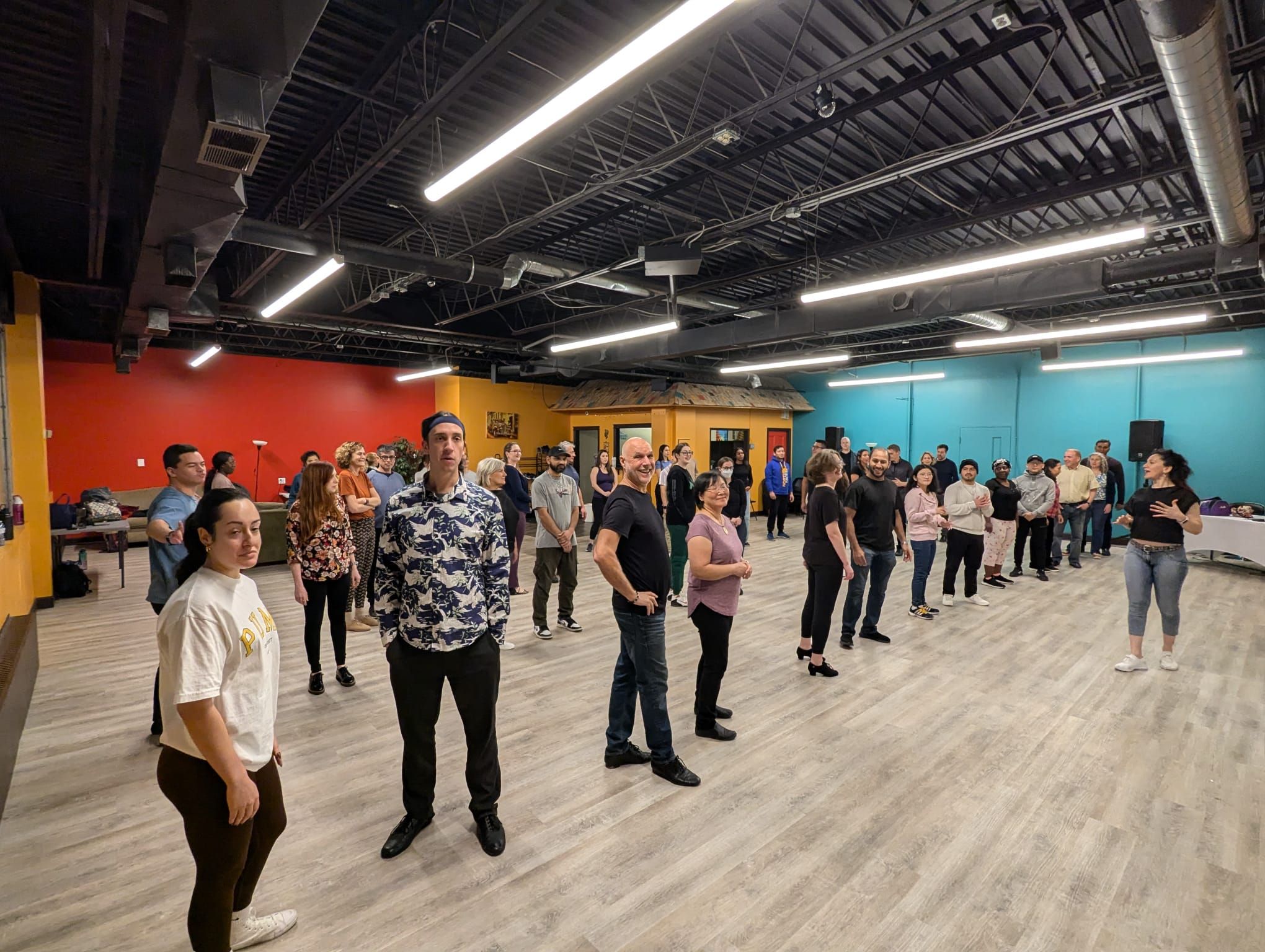
When I say my bachata classes are beginner-friendly, I mean you can genuinely start from zero.
You don’t need to know the basic step.
You don’t need to understand bachata music.
You don’t need previous salsa experience.
You don’t need to arrive with a partner.
And you definitely don’t need to prove that you’re naturally good at dancing.
Whether you’re coming from Centertown Ottawa, Hull QC, Gatineau, Vanier, Rockcliffe, Westboro, Lansdowne, Kanata, or another part of the Ottawa-Gatineau region, I build the beginner experience around helping you understand bachata gradually.
If you’ve been searching for beginner bachata classes Ottawa, bachata classes Ottawa adults, best bachata classes Ottawa, or free bachata classes Ottawa because you’re curious about getting started, the most important thing I want you to understand is this:
Being inexperienced isn’t something you need to fix before joining a bachata class. Learning from that starting point is exactly what the class is for.
Starting From Zero Can Actually Be an Advantage
People often apologize when they tell me they’ve never danced before.
There’s nothing to apologize for.
In some ways, starting from zero gives us a very clear opportunity to build your foundation correctly from the beginning.
We can work on timing before bad timing becomes a habit.
We can develop controlled weight transfer.
We can establish comfortable posture.
We can introduce partner connection properly.
We can help you understand what you’re doing rather than asking you to unlearn years of habits first.
You aren’t behind.
You’re simply at the beginning.
And everyone who dances bachata confidently today once had a first lesson too.
I Don’t Assume You Know Dance Terminology
One thing that can make beginner classes unnecessarily intimidating is excessive terminology.
If you’re taking your first lesson, words that are completely normal to experienced dancers may mean absolutely nothing to you.
That’s okay.
I explain concepts in straightforward language.
When we talk about weight transfer, I show you what that means physically.
When we discuss timing, we connect it directly to the music.
When we begin partner work, I explain how lead and follow communication functions.
I don’t expect you to study bachata before learning bachata.
My job is to make the information understandable.
The First Thing I Want You to Understand Is the Music
Bachata isn’t simply a collection of steps.
We’re dancing to music.
That’s why I want beginners to develop a relationship with the rhythm from the start.
A simple introduction to the bachata count can look like:
1, 2, 3, tap.
5, 6, 7, tap.
Initially, you might have to think consciously about every count.
That’s completely normal.
We listen.
We move.
We repeat.
Eventually, those numbers start connecting with something you’re actually hearing.
That’s when an important shift begins.
You’re no longer moving because I’m telling you when to move.
You’re starting to understand when the music is asking you to move.
You Don’t Need to Have Rhythm Before Class
This deserves special attention because it stops so many adults from starting.
People tell me:
“I don’t have rhythm.”
Usually what they mean is:
“Nobody has taught me how to recognize rhythm yet.”
Those aren’t the same thing.
Musical awareness can improve through practice.
When I work with complete beginners, I don’t expect them to immediately identify everything happening in a bachata song.
We develop that skill gradually.
The more bachata you hear, the more familiar the structure becomes.
The more familiar it becomes, the easier movement feels.
I Keep Your First Bachata Steps Manageable
Beginners don’t need twenty movements during their first few lessons.
They need a foundation.
I would much rather have you understand a small amount of material properly than leave overwhelmed by information you can’t remember.
So we begin simply.
We work on your basic.
We develop timing.
We improve balance.
We connect your steps to weight transfer.
Once those elements begin feeling comfortable, we can add more.
This makes progress much easier to manage.
Why the Bachata Basic Matters So Much
Beginners sometimes see the basic step as something temporary.
Learn the basic.
Move on.
I don’t teach it that way.
Your basic movement remains incredibly useful throughout your development.
It gives you somewhere comfortable to return.
If you lose the rhythm, return to your basic.
If a movement doesn’t work, return to your basic.
If you want to reconnect with your partner, simplify.
If you want to listen more closely to the music, you don’t need to keep adding patterns.
The ability to dance comfortably without constantly doing something complicated is a valuable skill.
I Teach Weight Transfer, Not Just Foot Placement
This is one of the areas where complete beginners often experience their first major breakthrough.
You may know exactly where your foot is supposed to go but still feel awkward.
Why?
Because dancing isn’t simply about moving your feet from one location to another.
Your body weight moves too.
When students begin understanding weight transfer, their movement often starts feeling completely different.
Balance improves.
The basic feels more natural.
Changing direction becomes easier.
Future turns become easier to understand.
That’s why I pay attention to what your entire body is doing rather than only checking whether your feet reached the correct position.
Smaller Movement Can Make Bachata Much Easier
A common beginner instinct is to take large steps.
Students sometimes believe they need to cover more distance to make their dancing visible.
Usually, that makes things harder.
Large steps can make balance more difficult.
They can make timing feel faster.
They can make weight transfer less controlled.
I help beginners become comfortable with smaller, more intentional movement.
You don’t need to travel across the room to dance bachata.
Control matters more than size.
Centertown Ottawa Adults Often Want Something More Social
One reason I see adults becoming interested in bachata classes in Centertown Ottawa is that they’re looking for something different from the usual social routine.
Going for dinner is enjoyable.
Meeting for drinks can be enjoyable.
But dance offers something else.
You’re participating.
You’re learning.
You’re moving.
You’re interacting with people through a shared activity.
And every time you return, there’s an opportunity to improve.
That creates a different kind of social experience.
Bachata Gives Busy Adults Something to Look Forward To
Adult life can become extremely repetitive.
Work.
Responsibilities.
Errands.
Screens.
Sleep.
Then the cycle begins again.
Dance can interrupt that routine.
When you have a bachata class coming up, there’s something different in the week.
You get to listen to music.
You move.
You concentrate on a skill that has nothing to do with work.
You meet people.
For many students, that becomes a valuable part of the experience.
Why Hull QC Beginners Can Feel Comfortable Starting From Scratch
Adults from Hull QC often have the same concerns as beginners from Ottawa.
They don’t want to walk into an environment where they’re expected to already know what they’re doing.
My approach doesn’t change based on which side of the river you’re coming from.
If you’re new, we start at the beginning.
Someone searching for bachata classes Hull QC may be looking for a class where they can develop real fundamentals rather than trying to keep up with experienced dancers.
That’s exactly what I want beginner instruction to provide.
Gatineau and Ottawa Are Part of One Wider Dance Community
One of the great things about teaching Latin dance in this region is how easily people from different communities can come together.
Students can come from Gatineau, Hull QC, Centertown, Vanier, Rockcliffe, Westboro, Lansdowne, Kanata, and other parts of Ottawa.
They may have completely different backgrounds.
But once class begins, everyone has something in common.
We’re learning to dance.
That shared experience makes meeting people much more natural.
You Don’t Need a Partner to Begin
This is another common concern.
Some adults spend months waiting for a friend or partner to agree to take bachata with them.
You don’t necessarily need to do that.
If you want to learn, you can begin your own dance journey.
Learning with different people can actually be valuable because it helps you understand partner dancing more broadly.
You learn how different connections feel.
You become more adaptable.
You stop depending on one person’s habits.
That’s useful preparation for social dancing.
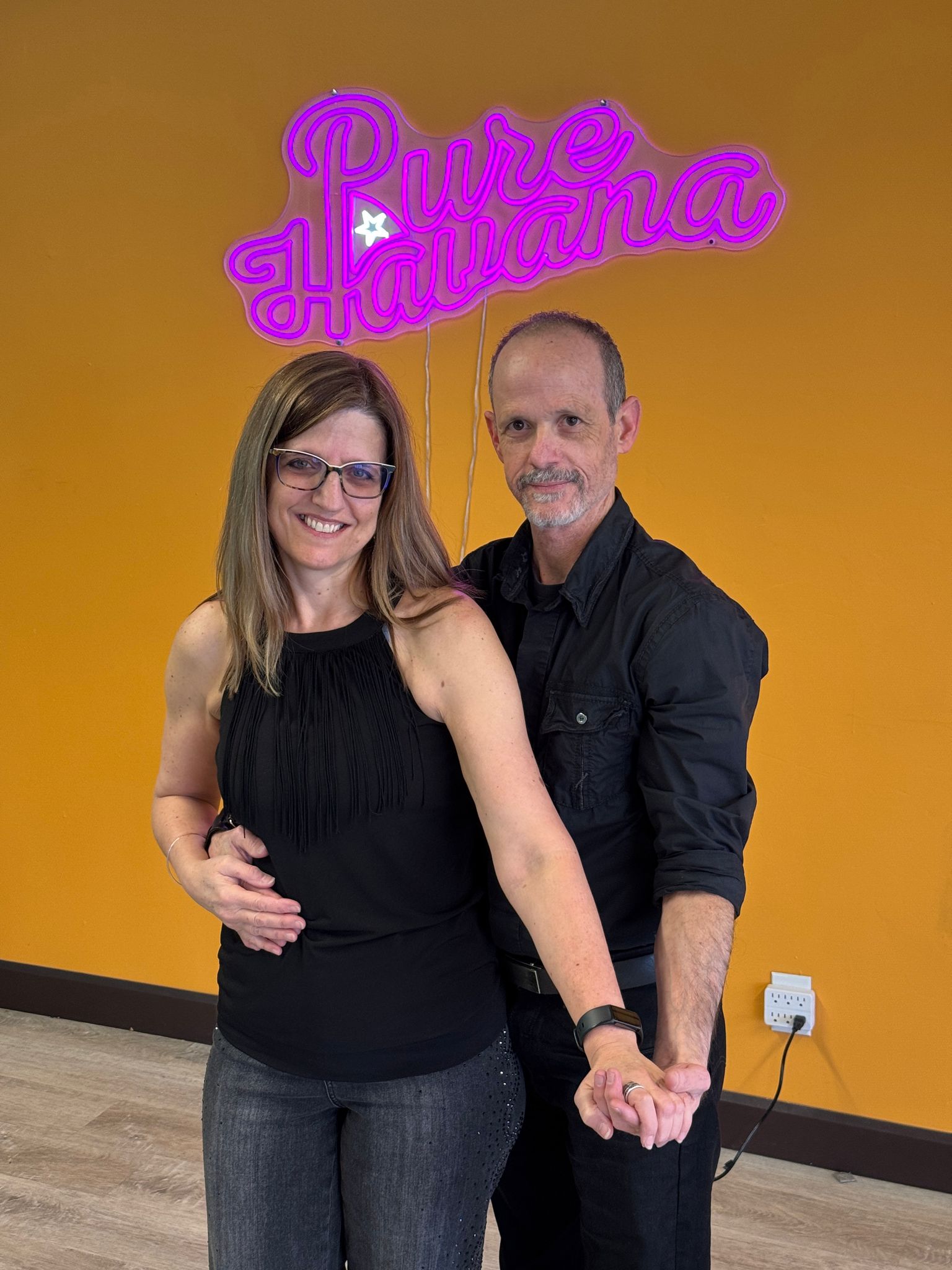
Couples Are Welcome to Learn Together Too
Of course, bachata can also be a fantastic shared experience for couples.
Learning together gives you something new to work toward.
You’re both going to make mistakes.
You’re both going to improve.
You’re going to have moments where one person understands something immediately and the other doesn’t.
That’s normal.
I encourage couples to support each other’s progress instead of turning the lesson into a competition.
You’re there to enjoy learning something together.
I Don’t Expect Both Partners to Learn at the Same Speed
Two people can receive exactly the same instruction and process it completely differently.
One person might hear the rhythm immediately.
The other may have better body awareness.
One may become comfortable with turns first.
The other may understand connection more quickly.
That’s fine.
Dance development isn’t a race.
I want each student to build a strong foundation rather than rushing because someone beside them appears to be progressing differently.
Partner Dancing Becomes Easier When We Remove the Mystery
Partner dancing can initially seem complicated because beginners don’t understand how two people know what to do together.
Once we break it down, it becomes much clearer.
I introduce comfortable connection gradually.
We look at positioning.
We work on timing.
We develop lead and follow communication.
I don’t want students pulling, pushing, guessing, or forcing their way through movements.
The goal is communication.
I Teach Leaders to Become Clear Instead of Strong
New leaders sometimes think they need to use more physical force when their partner doesn’t understand something.
Usually, that’s the wrong solution.
Good leading isn’t about overpowering another person.
It’s about clarity.
I help leaders understand how timing, positioning, movement, and connection communicate intention.
The clearer those things become, the less unnecessary force is required.
That makes the dance more comfortable for everyone.
I Teach Followers to Respond Instead of Predict
New followers can fall into another trap.
They try to memorize every pattern and guess what is coming next.
That creates tension.
Social bachata isn’t supposed to work that way.
I teach followers to remain responsible for their own balance and timing while responding to clear partner communication.
You don’t need to know the next movement before it happens.
That’s one of the things that makes partner dancing interesting.
I Make Mistakes Normal From the Beginning
If you start bachata from zero, you’re going to make mistakes.
There is no way around that.
You’ll occasionally step on the wrong count.
You’ll forget the tap.
You’ll move in the wrong direction.
You’ll misunderstand a lead.
You’ll lose the rhythm.
Good.
You’re learning.
I don’t want students treating every mistake like evidence that they shouldn’t be dancing.
Mistakes give us information about what needs more practice.
I Teach Recovery Instead of Perfection
The goal isn’t to eliminate every mistake.
The goal is to become comfortable enough that mistakes don’t destroy your dance.
When something goes wrong:
Simplify.
Return to your basic.
Listen.
Find the timing again.
Continue.
That’s a skill.
And it’s one of the most important skills a beginner can develop.
Why Recovery Makes Social Dancing Less Frightening
Many beginners are afraid of eventually dancing outside class because they imagine something going wrong in front of another person.
Once they know how to recover, that fear becomes much smaller.
You realize that a mistake doesn’t end the song.
You don’t need to stop.
You don’t need to apologize repeatedly.
You find your way back.
That is real confidence.
I Want Beginners to Stop Watching Their Feet
Most complete beginners look down.
They’re checking every movement.
That’s understandable.
At first, your feet require a lot of conscious attention.
But gradually, I want you to trust them.
When your basic becomes familiar, you can look up.
Now you’re more aware of your partner.
You’re listening to more of the music.
You’re experiencing the room.
You’re dancing instead of monitoring yourself.
That is a meaningful stage of progress.
I Don’t Measure Improvement by the Number of Moves You Know
A student who knows thirty movements isn’t automatically better than someone who knows ten.
I look at other things.
Can you hear the rhythm?
Are you balanced?
Is your movement controlled?
Can you maintain your basic?
Can you connect comfortably?
Can you recover?
Can you enjoy an entire song without panicking?
Those are the skills that create confident dancers.
Why Adults Often Learn Better When They Understand the Reason
I don’t want you copying a movement without understanding what makes it work.
Adults often learn extremely well when they understand the logic behind something.
Why does weight transfer matter here?
Why is this step smaller?
Why does the turn happen at this point?
Why is the connection changing?
When you understand those answers, you become less dependent on memorization.
You start understanding bachata as a system.
Repetition Should Always Have a Purpose
We repeat movements because repetition develops familiarity.
But I don’t want mindless repetition.
Maybe we repeat your basic while focusing specifically on timing.
Then we repeat it while paying attention to weight transfer.
Then posture.
Then partner connection.
The movement may be similar each time, but you’re improving a different part of it.
That’s how repetition produces meaningful progress.
I Want You to Develop Confidence Gradually
I don’t expect someone who has never danced before to walk into their first bachata class feeling completely confident.
Confidence is something we build.
The first win might simply be finding the beat.
Then you complete the basic without watching your feet.
Then you dance with a partner.
Then you complete your first turn.
Then you dance through an entire song.
Each small achievement gives you evidence that you’re capable of learning.
Your Age Doesn’t Automatically Decide Whether You Can Learn Bachata
Adults sometimes ask whether they’ve waited too long.
I don’t think learning dance needs to be limited to people who started young.
The objective of beginner adult bachata isn’t to compare yourself with someone who has been training for years.
It’s to develop from your own starting point.
If you’ve never danced before, that’s where we begin.
Your first lesson doesn’t need to look like someone else’s hundredth.
Bachata Can Give Adults an Enjoyable Way to Move
Not everyone wants another conventional workout.
Bachata gives movement a different purpose.
You’re working on coordination.
You’re developing balance.
You’re becoming more aware of your body.
You’re moving continuously with music.
But your attention isn’t necessarily on exercise.
You’re trying to dance.
That can make physical activity feel much more engaging.
It Also Gives You a Break From Screens
Adults spend an enormous amount of time looking at screens.
Phones.
Computers.
Televisions.
Dance asks you to be present in a completely different way.
You need to listen.
Move.
Respond.
Connect.
You can’t experience partner dancing by scrolling through it.
You have to participate.
That presence is part of what makes the experience refreshing.
From Centertown Bachata Classes to Social Dancing
Eventually, many beginners want to use what they’ve learned socially.
That’s where the fundamentals become extremely important.
When you’re at a social, nobody is standing beside you telling you the next pattern.
You need skills you can trust.
Your basic.
Your timing.
Your connection.
Your ability to recover.
That’s why I begin preparing students for social dancing long before they consider themselves advanced.
You Don’t Need Twenty Patterns Before Your First Social
This is another misconception I like to eliminate.
You don’t need an enormous collection of movements to enjoy your first bachata social.
A few things performed comfortably can be enough.
I’d rather see a beginner dance simply with good timing and comfortable connection than rush through complicated combinations because they believe that’s what they’re supposed to do.
Social dancing is about sharing the music.
It’s not a demonstration.
Private Bachata Lessons Can Help Complete Beginners Progress More Personally
Some adults prefer to begin with more individualized attention.
That’s where my private bachata lessons in Ottawa can be especially useful.
Private coaching gives us the opportunity to focus specifically on your starting point.
If rhythm is difficult, we can spend more time listening and counting.
If movement feels awkward, we can examine your weight transfer.
If partner dancing makes you nervous, we can introduce it gradually.
If you’re learning as a couple, we can focus specifically on your connection.
The lesson can adapt to you.
Private Instruction Can Also Help When You Feel Stuck
Maybe you’ve already taken some classes but still feel like something isn’t clicking.
Private instruction allows me to identify specific details.
Perhaps your steps are too large.
Maybe your weight isn’t fully transferring.
Maybe you’re rushing a particular count.
Maybe tension is making your movement harder.
A small personalized adjustment can sometimes unlock something you’ve been struggling with for weeks.
Salsa Students Can Add Bachata to Their Dance Journey
Some adults first discover Latin dance through searches such as salsa dancing Ottawa for beginners, salsa dancing Ottawa adults, or salsa dancing near me for beginners.
Then they become curious about bachata.
I think that’s a natural progression.
Learning another Latin partner dance gives you another musical experience and another opportunity to develop connection.
You don’t need to abandon salsa.
You can enjoy both.
Bachata Can Also Be the Beginning
The journey works in the opposite direction too.
Maybe bachata is your first dance.
Once you become comfortable, you might decide to explore salsa.
Suddenly, searches such as best salsa dancing Ottawa, salsa dancing Ottawa Saturday, or salsa dancing Ottawa Wednesday become more relevant because you want more opportunities to participate in the Latin dance community.
That’s one of the great things about starting.
One dance can open the door to another.
Kanata Adults Can Start Bachata Even If Salsa Was Their Original Search
Someone searching for salsa dancing near Kanata Ottawa may initially believe salsa is the only style they want to learn.
Then they hear bachata music.
They become curious.
There’s no reason you can’t explore both.
For students coming from Kanata, the same beginner principles apply.
No previous experience is required.
We start with the music and fundamentals.
Westboro Beginners Can Develop at Their Own Pace
Adults from Westboro Ottawa often want a hobby that fits around busy professional and personal schedules.
I understand that not everyone can dedicate their entire week to dancing.
That’s why I value focused learning.
When you understand what you’re practicing and why, even consistent small amounts of practice can produce meaningful improvement.
Vanier and Rockcliffe Beginners Are Welcome From the First Step
Whether you’re coming from Vanier or Rockcliffe, I don’t want you worrying about whether you belong in a beginner bachata class.
If you’re interested in learning, you belong there.
Your neighborhood doesn’t matter.
Your previous dance experience doesn’t matter.
Your current confidence level doesn’t matter.
We start with what you have and build from there.
Lansdowne Adults Can Turn Bachata Into a Weekly Social Activity
For adults around Lansdowne Ottawa, bachata can become much more than an occasional class.
As your skills improve, dancing can become part of your social routine.
You start looking forward to practice.
You recognize familiar people.
You become more interested in the music.
You begin exploring social dancing.
That’s when a class starts becoming a community and a hobby starts becoming part of your lifestyle.
Gatineau and Hull QC Students Can Build Confidence on Both Sides of the River
Students from Gatineau and Hull QC are part of the wider Ottawa-Gatineau Latin dance community.
As your confidence develops, you’re not limited to one neighborhood or one side of the river.
Your skills travel with you.
Once you understand timing, partner connection, and the fundamentals of social dancing, you can become more comfortable exploring different dance opportunities throughout the region.
What I Want Your First Bachata Class to Feel Like
I don’t expect you to leave your first lesson thinking you’ve mastered bachata.
That’s unrealistic.
I want you to leave thinking:
“I understand more than I did when I arrived.”
Maybe you found the beat.
Maybe the basic started making sense.
Maybe you danced with another person for the first time.
Maybe you realized you’re more coordinated than you thought.
Maybe you simply had fun.
Those are meaningful first steps.
What Happens After a Few Lessons
With consistency, the amount of conscious thinking often begins to decrease.
At first, you’re thinking:
Which foot?
Which count?
Where do I tap?
Then the basic becomes familiar.
Now you can think more about your partner.
Later, you start hearing more of the music.
Eventually, there are moments when you stop consciously thinking about the mechanics.
You’re simply dancing.
That’s the progression I want to create.
Why My Beginner Bachata Classes Focus on Long-Term Confidence
I don’t want to teach you one combination that looks impressive for five minutes and then disappears from memory.
I want to build skills you can continue using.
Timing.
Balance.
Weight transfer.
Connection.
Musical awareness.
Recovery.
Confidence.
Those fundamentals support everything that comes later.
The stronger they become, the easier future learning feels.
Searching for Beginner Bachata Classes in Ottawa?
If you’ve been searching for beginner bachata classes Ottawa, bachata classes Ottawa adults, best bachata classes Ottawa, or bachata instruction around Centertown Ottawa and Hull QC, don’t let lack of experience stop you.
Starting from zero is completely acceptable.
In fact, it’s exactly where beginner instruction is supposed to begin.
Whether you’re coming from Centertown, Hull QC, Gatineau, Westboro, Vanier, Rockcliffe, Lansdowne, Kanata, or elsewhere around Ottawa, I’ll help you build your dancing one understandable skill at a time.
We’ll find the rhythm.
We’ll develop your basic.
We’ll improve your balance and weight transfer.
We’ll introduce partner connection.
We’ll make mistakes.
We’ll learn how to recover.
And gradually, the movements that once seemed unfamiliar will start feeling like something your body understands.
Because I don’t expect adults to walk into my bachata classes already knowing how to dance.
I teach them so they can walk out knowing that learning to dance is absolutely something they can do.