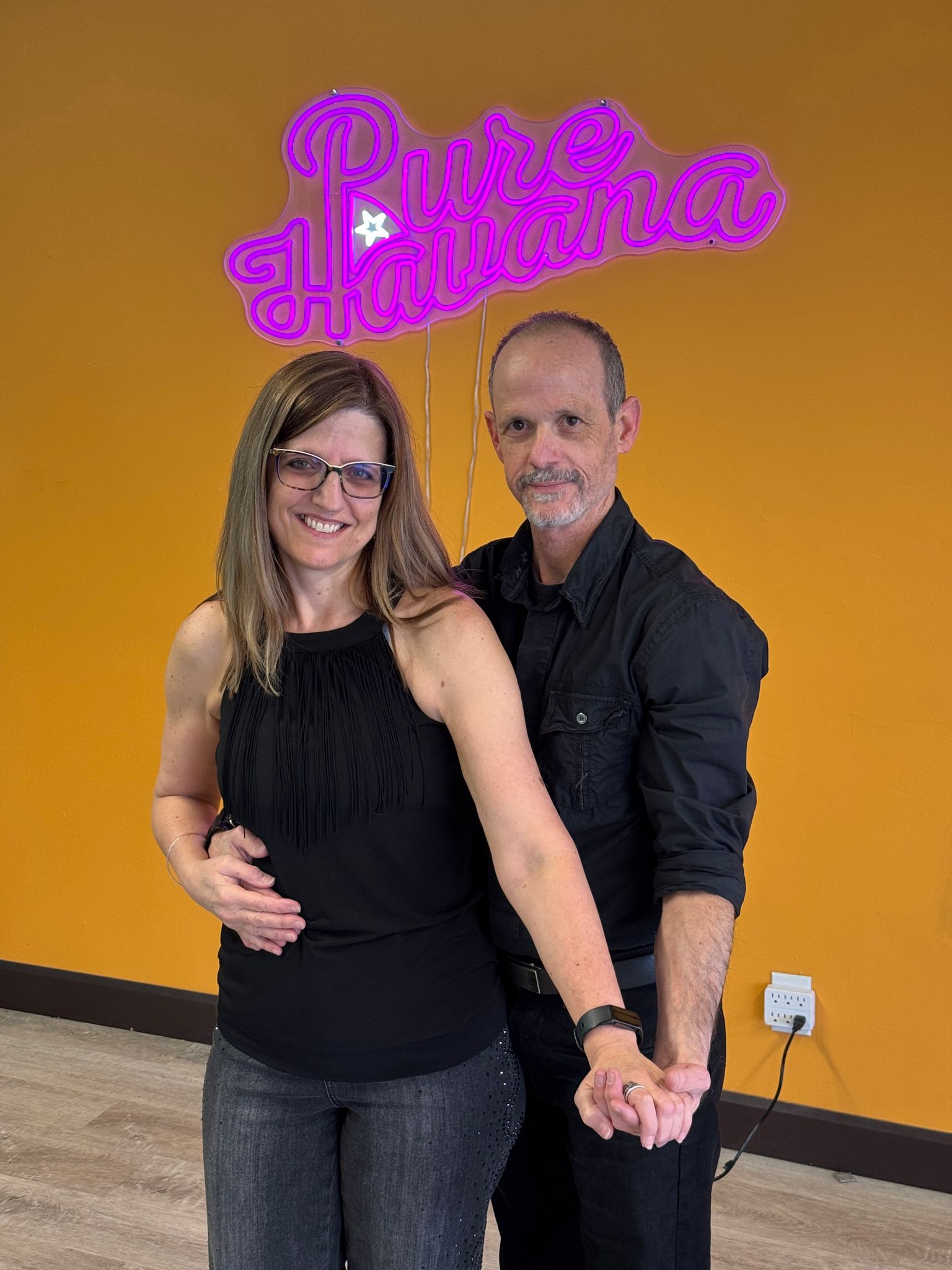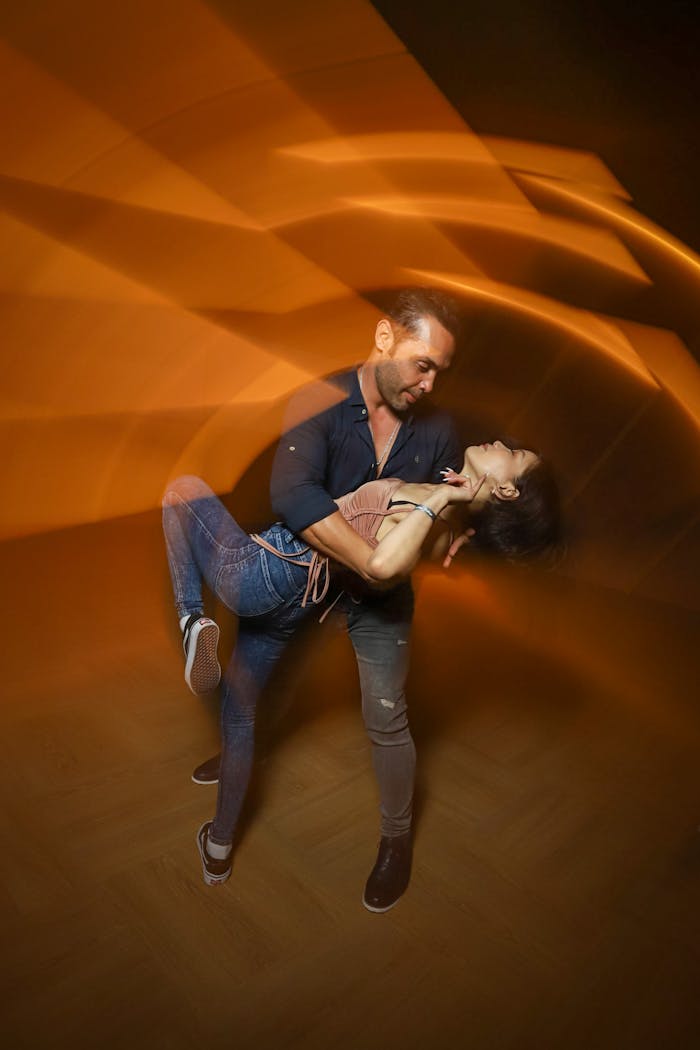

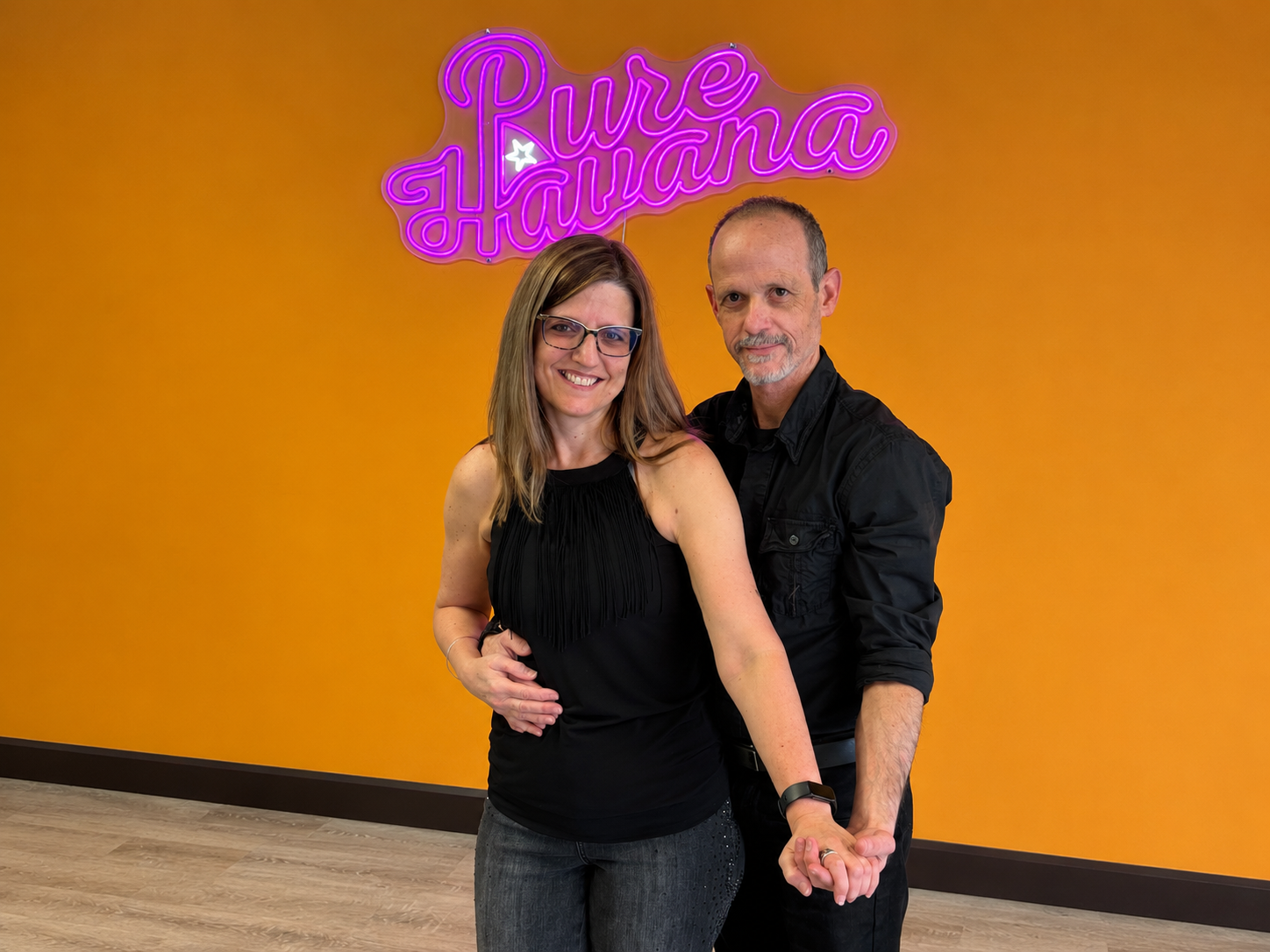
One of the most common things I hear from adults before their first bachata lesson is:
“I don’t have rhythm.”
Usually, they say it as if that settles the matter.
They believe rhythm is something you either naturally have or you do not. If they have never danced before, struggle to recognize a beat, or feel awkward moving to music, they assume bachata simply is not for them.
I see things very differently.
You do not need to arrive with rhythm. I can help you develop it.
That is one of the reasons I enjoy working with complete beginners.
When someone comes to me from Westboro, Centertown Ottawa, Vanier, Rockcliffe, Lansdowne, Kanata, Gatineau, Hull QC, or elsewhere around Ottawa and tells me they have absolutely no dance experience, I know exactly where we need to begin.
We do not begin with complicated choreography.
We do not begin with advanced styling.
And we certainly do not begin by expecting you to look like an experienced dancer.
We begin with the music.
Then we connect that music to movement.
Step by step, what initially sounds confusing starts becoming recognizable. Movements that originally feel unnatural begin making sense. Students who were convinced they had no rhythm start moving without needing to analyze every beat.
That transformation is one of my favourite parts of teaching beginner bachata classes in Ottawa.
My goal is not simply to show you where to put your feet.
I want to help you reach the point where you hear bachata music and your body understands what to do.
You Do Not Need Dance Experience to Learn Bachata
Complete beginners often believe everyone else in a dance class will already know more than they do.
That fear can prevent someone from starting for months or even years.
But beginner instruction exists for exactly this reason.
If you have never danced before, that is completely fine.
You do not need previous salsa experience.
You do not need a partner.
You do not need to understand musical terminology.
You do not need special coordination.
You do not need to know what a lead or follow is.
I can start with you from the beginning.
Pure Havana teaches Latin dance to beginners and experienced dancers in a supportive environment, with bachata among the styles available. My approach focuses on helping students build confidence and technique rather than expecting them to arrive with those skills already developed. (Pure Havana)
Why Rhythm Feels Difficult When You Are New
Music sounds completely different once you begin learning to dance to it.
Before dancing, you might simply hear a song.
Once you begin learning bachata, you start trying to identify structure inside that song.
Where does the count begin?
When should I step?
Which foot moves first?
When do I tap?
How does my partner know what I am doing?
Trying to answer all of those questions simultaneously can make even relatively straightforward movements feel difficult.
That is why I simplify the process.
I do not expect a complete beginner to understand everything at once.
We separate the pieces.
Then we gradually put them together.
I Start With the Bachata Count
One of the first things I want beginners to understand is the basic rhythmic structure.
A simple way of introducing it is:
1, 2, 3, tap.
5, 6, 7, tap.
At first, those numbers might not mean much.
So we listen.
Then we move.
Then we repeat.
You begin connecting a specific part of the music with a specific movement.
At first, you might have to consciously think:
One.
Two.
Three.
Tap.
Eventually, something changes.
You no longer need to think about every number.
You begin recognizing the rhythm.
That is the breakthrough I am looking for.
I Do Not Want You Counting Forever
Counting is a teaching tool.
It is not the final objective.
I want counting to help you understand the structure until your ears and body begin recognizing it naturally.
Think about learning to drive.
At first, you consciously think about everything.
Mirrors.
Pedals.
Signals.
Steering.
Traffic.
Eventually, many of those actions become automatic.
Dance can develop similarly.
At first, bachata requires concentration.
Then repetition creates familiarity.
Familiarity creates comfort.
And comfort creates confidence.
Finding Rhythm Starts With Listening
Sometimes beginners are so focused on their feet that they stop listening to the music.
That creates a problem.
Your feet should respond to the music.
The music should not become background noise while you desperately try to remember a sequence.
So sometimes I intentionally simplify what we are doing.
Instead of adding another movement, we listen.
I want students to recognize the pulse.
I want them to become familiar with repetition.
I want them to notice how the music feels.
The more familiar bachata sounds become, the easier dancing becomes.
Your Basic Step Is Your Foundation
Beginners sometimes underestimate the importance of a good basic.
They want turns.
They want combinations.
They want something that looks exciting.
I understand that.
But I want your basic movement to feel comfortable first.
Your basic is not something you learn and then abandon.
It stays with you.
It gives you a place to return whenever you need to:
find the rhythm again,
reconnect with your partner,
listen to the music,
or simply enjoy the song without adding another pattern.
That is why I take the basic seriously.
Weight Transfer Can Completely Change How Bachata Feels
Sometimes a student knows the steps but still says:
“Something feels wrong.”
Often, the problem is not where their feet are going.
It is what their weight is doing.
Knowing where to place your foot and actually transferring your body weight are different things.
When weight transfer becomes clearer, the dance begins feeling more natural.
Your balance improves.
Your movement becomes more controlled.
Your next step becomes easier.
This is one reason I prefer teaching fundamentals carefully instead of rushing beginners toward complicated movements.
Small details can create huge improvements.
Why Adults From Westboro Are Learning Bachata
For adults around Westboro Ottawa, bachata can provide something very different from the usual weekly routine.
Many adults spend most of their day sitting.
They work.
They commute.
They look at screens.
Then they go home and spend even more time sitting.
Bachata gives you a reason to move.
But unlike a traditional workout, there is another purpose behind that movement.
You are learning.
You are listening.
You are interacting with another person.
You are developing a skill.
For adults searching for bachata dancing Westboro Ottawa or bachata classes Ottawa adults, that combination can make dance especially appealing.
Centertown Ottawa Is a Natural Place for Adults to Discover Latin Dance
Centertown Ottawa also has adults looking for experiences that are social without feeling forced.
That is one of the strengths of partner dancing.
You already have something to do.
You do not have to walk into a room and invent reasons to talk to strangers.
Everyone is there because they are interested in dancing.
You learn together.
You practice together.
You laugh when things go wrong.
You celebrate when something finally clicks.
Pure Havana’s studio is located at 190 MacLaren Street near Elgin in central Ottawa, which makes the downtown dance experience particularly relevant for people coming from Centertown and surrounding communities. (Pure Havana)
I Help Beginners Stop Worrying About Looking Awkward
This is one of the biggest mental barriers adults face.
Nobody wants to look foolish.
But when you are learning something physical, awkward moments are inevitable.
Your body is trying something unfamiliar.
Why would it immediately look polished?
I do not expect that.
I would much rather have you make mistakes while genuinely learning than become so afraid of mistakes that you barely move.
The first goal is not elegance.
The first goal is understanding.
Smoothness develops later.
I Break Movement Into Manageable Pieces
If a movement feels difficult, adding more information rarely helps.
Instead, I simplify.
Maybe we practice only the feet.
Then we focus on weight transfer.
Then timing.
Then partner connection.
Eventually, we put everything together.
This makes learning much less overwhelming because you can identify exactly what you are working on.
Instead of thinking:
“I cannot do bachata.”
You start thinking:
“My timing is fine. I just need to improve this weight change.”
That is a much more useful problem to solve.
Partner Dancing Is a New Skill of Its Own
You can become comfortable dancing alone and still feel completely different once a partner is added.
That is normal.
Partner dancing requires communication.
Now you are thinking about your own movement while also paying attention to another person.
So I introduce connection carefully.
I want beginners to understand comfortable positioning.
I want them to recognize how information is communicated.
And I want both partners to remain relaxed.
Partner dancing should not feel like two people fighting over where the movement goes next.
It should gradually begin feeling like a conversation.
I Teach Leaders to Communicate Clearly
Beginner leaders often think they need to make their partner move.
That can create too much force.
I teach leaders to think about clarity instead.
Can your partner understand what you are communicating?
Is your timing clear?
Is the connection comfortable?
Are you giving enough information without overpowering the movement?
This approach makes leading much less stressful.
You do not need to physically control everything.
You need to communicate.
I Teach Followers to Listen Through Movement
Followers sometimes have the opposite challenge.
They try to guess.
They think:
“I know this pattern. The turn must be next.”
But social dancing is not supposed to be a memorization exercise.
I help followers become comfortable responding instead of predicting.
Stay connected.
Stay with the music.
Allow the information to arrive.
Respond naturally.
When students understand that, following becomes much less stressful.
Rhythm Becomes Easier When Your Body Is Relaxed
Tension can make everything harder.
When beginners become nervous, their shoulders rise.
Their arms become stiff.
Their steps get bigger.
They start rushing.
Then the dance feels even more difficult, which creates more tension.
I help students break that cycle.
Sometimes the answer is not another technical explanation.
Sometimes the answer is simply:
Make the step smaller.
Relax your shoulders.
Listen.
Breathe normally.
Try again.
A relaxed dancer can usually process information much more effectively.
I Use Repetition Without Making It Mindless
Repetition is necessary.
But I do not want you repeating something twenty times without knowing why.
Each repetition should have a purpose.
First, maybe we focus on timing.
Then weight transfer.
Then posture.
Then connection.
The movement might look similar, but your understanding becomes deeper every time.
That is how repetition becomes useful instead of boring.
Why Small Steps Matter
Beginners often take movements that are much larger than necessary.
They assume bigger movement means better dancing.
Usually, it makes timing more difficult.
Smaller steps can give you:
better balance,
better control,
easier weight transfer,
and more time to respond to the music.
This becomes especially important when you eventually begin social dancing in busier environments.
You do not need a huge amount of space to enjoy bachata.
You Do Not Need a Partner to Start
This is another question I hear frequently.
No, you do not necessarily need to arrive with a partner to begin learning Latin dance.
Pure Havana’s group instruction is designed as a social environment, and its current class information describes partner rotation as one way students can build confidence. (Pure Havana)
For a complete beginner, dancing with different people can actually be useful.
You learn to adapt.
You experience different connections.
You become less dependent on one person’s habits.
And eventually, you realize that you do not only know how to dance with one specific person.
You are developing actual partner dancing skills.
Couples Can Learn Bachata Together
Of course, bachata can also be an excellent experience for couples.
You are learning something together instead of simply consuming another activity.
You have a shared challenge.
You develop communication.
You get to laugh at the inevitable mistakes.
And eventually, you have a skill you can enjoy together outside the classroom.
Pure Havana also offers private instruction for couples with an emphasis on connection, timing, lead and follow technique, and social dancing preparation. (Pure Havana)
I Do Not Want Couples Correcting Each Other Constantly
This can become a problem surprisingly quickly.
One person understands something first and suddenly becomes the instructor.
That can create frustration.
I encourage couples to focus on their own learning.
Let me handle the corrections.
Your partner is there to learn too.
One of you may understand rhythm faster.
The other may develop better movement initially.
Progress does not have to happen at exactly the same speed.
Mistakes Are Part of Finding Your Rhythm
You will step on the wrong count.
You will forget the tap.
You will lose your timing.
You might begin on the wrong foot.
That is normal.
The important thing is what happens next.
I do not want beginners to freeze every time something goes wrong.
Instead, I teach them to recover.
Listen again.
Find the rhythm.
Return to the basic.
Continue.
That ability becomes incredibly important later.
Recovery Creates Real Confidence
There is a big difference between knowing a pattern and knowing how to dance.
Someone can memorize many patterns and still become completely lost when something unexpected happens.
Another person may know fewer movements but remain relaxed because they understand the fundamentals.
I would rather develop the second dancer.
If you know how to recover, mistakes stop feeling dangerous.
You understand that the dance can continue.
That creates real confidence.
Confidence Often Appears Before Students Realize It
One of my favourite moments is when a beginner suddenly does something they could not do a few weeks earlier.
They hear the rhythm without asking me where the count starts.
They complete an entire song.
They stop looking at their feet.
They dance with someone new.
They recover after losing the beat.
Sometimes they do not even notice how significant that moment is.
I do.
Those are the moments when a beginner starts becoming a dancer.
I Want You Listening to Your Partner and the Music
When beginners are overwhelmed, their entire attention goes to their feet.
Eventually, I want that attention to expand.
You should be able to hear the music.
You should be aware of your partner.
You should understand the space around you.
Your feet become part of the experience rather than the entire experience.
That is when dancing begins feeling genuinely social.
Bachata Is More Than Learning Steps
If bachata were only about remembering foot positions, it would become boring quickly.
The real enjoyment comes from everything around those steps.
The music.
The connection.
The rhythm.
The interaction.
The feeling of improving.
The confidence that develops.
The community you become part of.
That is what keeps adults coming back.
Why Bachata Can Be Great for Adults Who Think They Cannot Dance
I actually enjoy hearing someone tell me:
“I am terrible at dancing.”
Because that gives us a clear starting point.
There are no expectations.
We build from zero.
And when that person begins recognizing the rhythm, the improvement feels enormous.
They realize their original assumption was wrong.
They were not incapable of dancing.
They simply had never learned how.
Westboro Beginners Can Build Confidence Step by Step
For adults coming from Westboro, I want bachata to feel accessible regardless of previous experience.
Maybe you have danced at weddings but never taken a formal lesson.
Maybe you avoid dancing completely.
Maybe you already tried salsa and want another Latin dance style.
All of those are valid starting points.
We begin with what you know.
Then we build.
Centertown Beginners Are Close to Ottawa’s Downtown Dance Community
For adults around Centertown Ottawa, learning bachata can also open the door to a wider Latin dance experience.
Once you understand partner dancing, you begin seeing the city differently.
You notice dance opportunities.
You become curious about socials.
You hear Latin music and recognize rhythms that previously blended together.
Your confidence makes new experiences possible.
That is why I see lessons as more than isolated classes.
I am preparing students to actually enjoy dancing.
From Bachata Classes to Social Dancing
Eventually, many students want to take what they have learned into a social environment.
That transition can feel intimidating.
But the same fundamentals still apply.
Find the music.
Trust your basic.
Stay connected.
Keep things simple.
Recover when necessary.
You do not suddenly need twenty new movements because you walked into a social.
The skills you built during class come with you.
Social Dancing Is Where Rhythm Becomes Real
In class, I can count for you.
At a social, the music becomes your guide.
That is why developing musical awareness from the beginning matters so much.
I do not want you permanently dependent on an instructor saying:
One.
Two.
Three.
Tap.
Eventually, I want the song to tell you.
When that happens, dancing becomes much more enjoyable.
Salsa Students Often Discover Bachata Too
Some students initially find me because they are searching for salsa dancing Ottawa for beginners, salsa dancing near me for beginners, or best salsa dancing Ottawa.
Then they discover bachata.
That progression makes sense.
Once you realize partner dancing is something you can learn, you naturally become curious about other styles.
Pure Havana’s broader Latin dance offering includes both salsa and bachata, alongside other Cuban and Latin styles, so students can develop beyond a single type of dance. (Pure Havana)
Salsa and Bachata Develop Complementary Skills
The rhythms are different.
The movement feels different.
But many valuable skills transfer.
You develop:
musical awareness,
coordination,
balance,
partner communication,
adaptability,
and confidence.
Learning more than one style can make you much more comfortable within a Latin social dance environment.
Students From Kanata Can Build Their Latin Dance Foundation Too
People searching for salsa dancing near Kanata Ottawa often begin with salsa and eventually become interested in bachata.
I welcome students from across the region because your neighborhood does not determine whether you can become a good dancer.
Whether you are coming from Kanata, Westboro, Centertown, Vanier, or Rockcliffe, the process begins the same way.
Listen.
Understand.
Move.
Repeat.
Build confidence.
Gatineau and Hull QC Are Part of the Same Dance Community
The Ottawa Gatineau region naturally brings dancers together from both sides of the river.
Adults from Gatineau and Hull QC may begin looking for bachata locally and eventually discover opportunities throughout Ottawa.
Likewise, Ottawa dancers often become interested in the wider regional Latin dance community.
That is one of the things I enjoy most about dance.
It brings people together who may never otherwise have met.
Vanier, Rockcliffe, and Lansdowne Beginners Can Start From Zero
I also work with adults coming from Vanier, Rockcliffe, and around Lansdowne Ottawa who simply want to try something new.
You do not have to make dancing part of your identity before taking your first class.
Try it.
Learn the basic.
Listen to the music.
See what happens.
You might surprise yourself.
Private Bachata Lessons Can Help You Find the Rhythm Faster
Some students benefit from additional individual attention.
If timing is particularly challenging, private instruction gives us more time to focus directly on it.
We can listen to the music.
We can slow down the movement.
We can identify exactly where you’re becoming confused.
We can repeat without worrying about the pace of a group.
Pure Havana currently offers individual private lessons built around customized goals, including focused work on timing, footwork, and styling. (Pure Havana)
That personalized environment can be especially valuable for complete beginners.
Private Lessons Can Also Prepare Couples for Social Dancing
Couples sometimes want to learn bachata because they want something they can actually use together.
Private instruction gives us the ability to work specifically on their connection.
Instead of only teaching a sequence, I can help both partners understand what they are communicating.
That creates a much more useful foundation for future social dancing.
What Progress Really Looks Like
I do not measure a beginner’s progress only by how many moves they know.
I look for other changes.
Are you hearing the rhythm more easily?
Are your steps becoming smaller and more controlled?
Is your weight transfer improving?
Are you looking at your feet less?
Do you feel more comfortable with a partner?
Can you recover after losing the beat?
Can you dance through an entire song?
Those are meaningful improvements.
Why I Do Not Rush Beginners
Everyone wants progress.
But rushing does not necessarily produce it.
Sometimes the fastest way forward is spending more time on something basic.
If your timing is unclear, learning another turn will not necessarily solve the problem.
If your weight transfer is uncomfortable, adding more choreography may simply make everything harder.
I would rather identify the real issue and work on it.
That creates a stronger dancer.
My Goal Is for Rhythm to Become Something You Feel
At the beginning, you might need me to count.
Then you begin counting yourself.
Then you hear the count inside the music.
Eventually, you stop thinking about the count.
Your body knows.
That is the journey.
And when you reach that point, bachata feels completely different.
Instead of chasing the music, you are dancing with it.
Looking for Beginner Bachata Classes in Ottawa?
If you have been searching for beginner bachata classes Ottawa, bachata classes Ottawa adults, best bachata classes Ottawa, bachata dancing Westboro Ottawa, or bachata dancing Centertown Ottawa, I want you to know something important:
You do not need to find your rhythm before you come to class.
Finding your rhythm is part of the class.
Whether you are coming from Westboro, Centertown, Vanier, Rockcliffe, Lansdowne, Kanata, Gatineau, Hull QC, or elsewhere around Ottawa, I can start with you exactly where you are.
If you cannot hear the beat yet, we will work on it.
If your basic feels awkward, we will simplify it.
If partner dancing makes you nervous, we will build connection gradually.
If you keep making mistakes, we will learn how to recover.
And if you have spent years believing you simply are not a dancer, I want to give you the opportunity to challenge that belief.
Because rhythm is not something I expect every beginner to bring through the door.
It is something I help you discover, develop, trust, and eventually enjoy every time the music starts.